

About Us

80 acres,
two rural bnbs, campsites,
education & events,
farm produce & products,
garden, orchard, pasture & livestock,
dogs, cats, horses, pigs, sheep, goats, rabbits, chickens & turkeys,
two first time farmers and land stewards,
and a whole lotta love for
homesteading in
the Deadman Valley.
Howdy! I’m Natalie
I’ve been steward of this 80 acres since 2018. Buying a rural property with a run down little cabin and moving from Vancouver on my own with very little farming or rural living experience was a big leap. Steering me were some pretty lofty goals of reducing my ecological impact by living a more simple, mindful and sustainable lifestyle. I quickly realised that while self-sufficiency is impactful and can be empowering, it is also limiting, isolating and unrealistic - and it is community that I wish to foster, serve and thrive with. Pulling this string I began to learn and engage with local history and culture, conservation, environmental stewardship, regenerative agriculture, sustainable food systems, food sovereignty, animal husbandry, nutrition, health and wellness. Becoming intrinsically connected to the landscape is a humbling and endlessly fascinating journey that I have only scratched the surface of.
I have developed Deadman Acres with the goal of sharing what I have learnt along the way and officially started the farm business and agri tourism Bnb’s in 2023.
The Fire
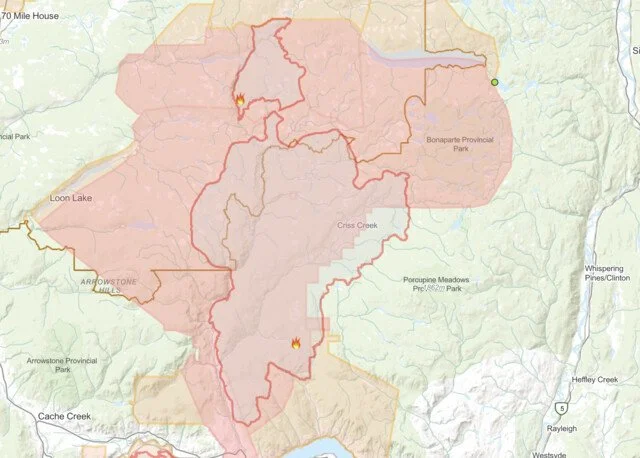
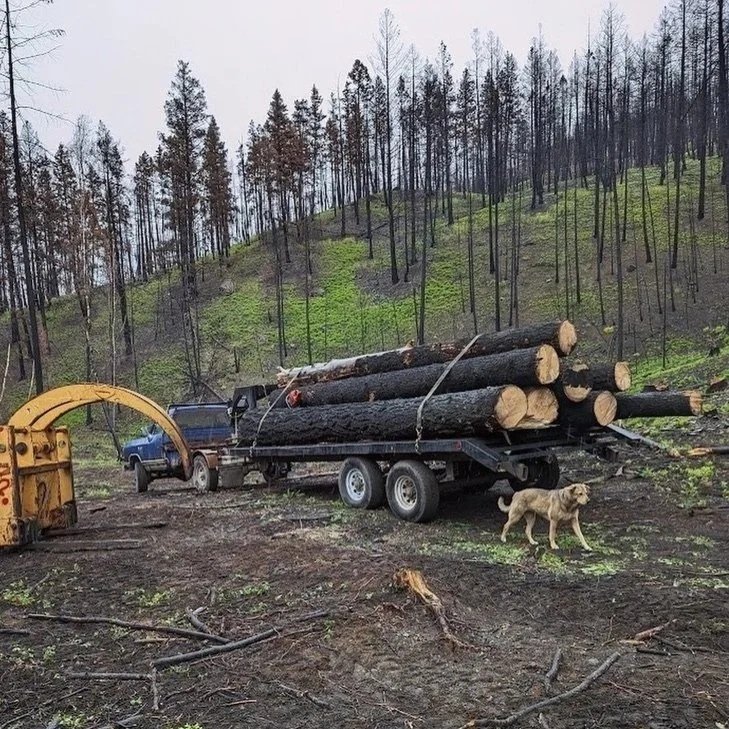
In 2021 the Sparks Lake Wildfire blazed through the valley, burning 700 square kilometres of pristine forest and grasslands. Deadman Acres was right on its precipice, the fire burning only 10% of the property, missing the cabin due to a fire break the neighbours dug and the winds pushing the blaze north. The fire jumped the creek and road in the canyon just beyond the farm, the full devastation is evident from there onwards. I was one of the lucky ones, unlike many of the other residents whose homes and cabins burnt entirely.
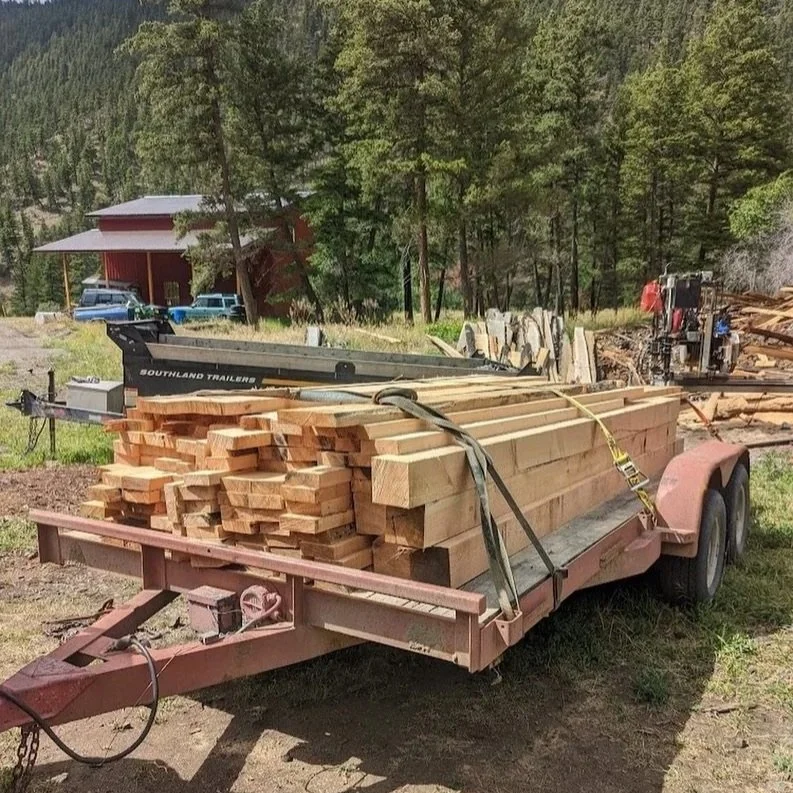
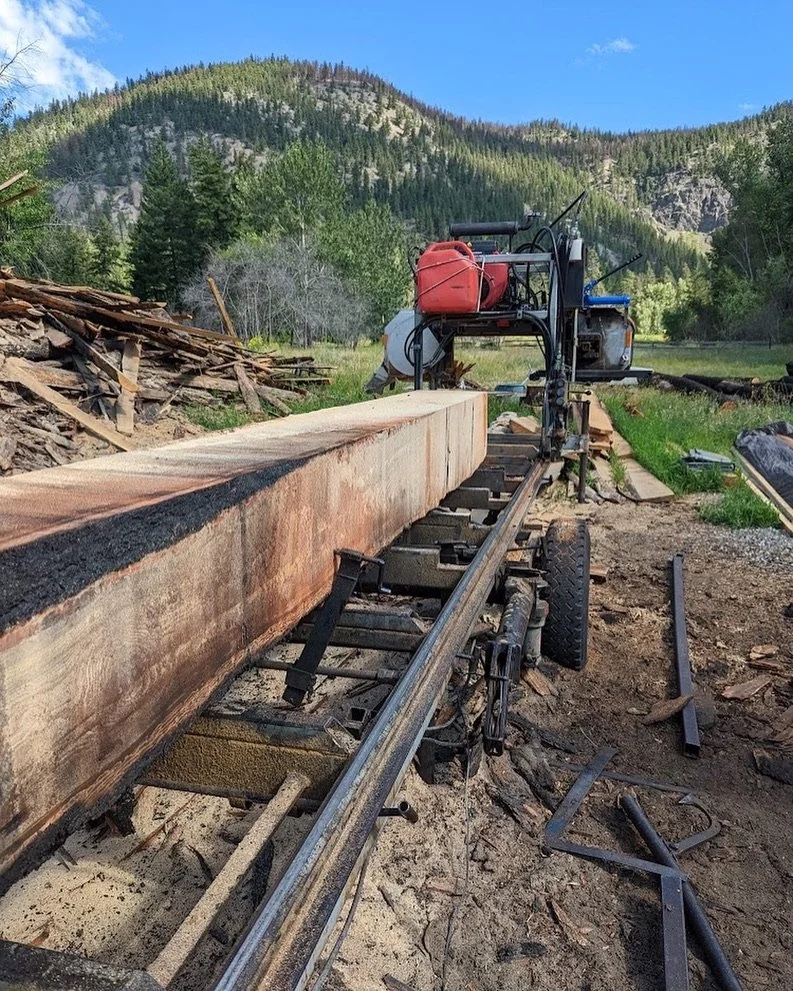
My neighbour Tanner who sadly lost his home, bought a mill and started reclaiming the singed timbers off his property and making rough cut lumber. He built the barn, cabin & out buildings and his hard work will forever be woven into the fabric of Deadman Acres.
When life gives you lemons, you can wallow in the bitterness or add a little sugar. And as devastating as the circumstance was, it propelled the farm forward and having a first hand experience of the effects of climate change has only further fuelled my passion towards ecological advocacy and confirmed I’m on the right path.
What can be done?
Support Indigenous Fire Stewardship & Ally with Indigenous Leadership: Support the revival and scaling of traditional ecological knowledge, including cultural burning, which has naturally maintained forest health and reduced fuel loads for centuries. Push for policy changes that return land management decision-making and resources to Indigenous caretakers and land defenders.
Advocate for Systemic Climate Action & Hold Corporations Accountable: Lobby local reps, banks, and pension funds to divest from fossil fuels and reinvest in renewable energy. Support initiatives like clean electricity standards, and the transition to renewable energy sources.
Push for Ecological Forest Management & Restore Resilient Ecosystems: Advocate for strategic forest thinning and controlled prescribed burns outside of fire seasons, which remove built-up underbrush and prevent megafires. Support nature-based solutions like restoring wetlands and peatlands, which act as natural firebreaks and massive carbon sinks.
Local Community & Individual Action to Promote Climate Communication: Connect the dots between fossil fuels, severe drought, and wildfires in public discussions to build emotional and community support for climate action. Educate yourself on FireSmart Principles and consider volunteering or fundraising for rural fire brigades.

The Farmhouse
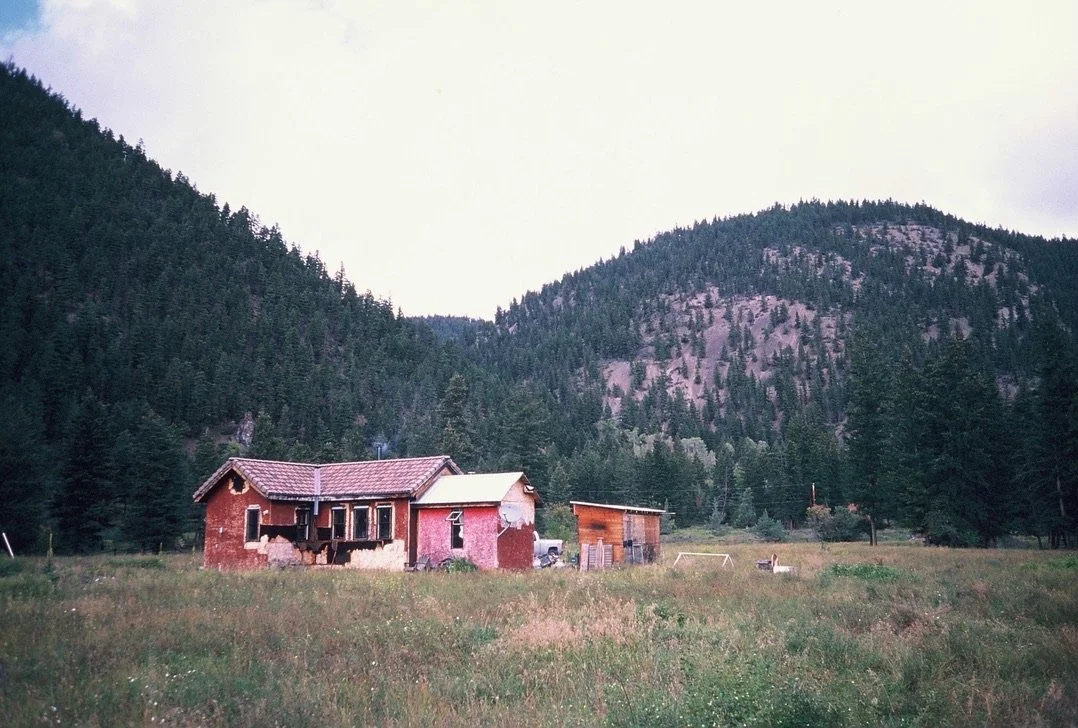
From humble beginnings… When I bought the property this cabin was the only structure, and in a very different iteration…
It was pretty shabby with a shoddy addition, no siding, running water or kitchen, but it had good (ish) bones and I could see the potential. I started by visiting every few weeks from Vancouver to work on things to get it livable before I moved up permanently in 2020. I have been slowly chipping away at renovations and upgrades ever since!


The Farm

I raise a variety of livestock and a seasonal garden, the produce of which is sold through the barnstore, gatesales stand and as meal packages to bnb guests - as well as run a variety of workshops for those curious about homesteading.
Providing access to farm fresh food with our guests is a cornerstone of Deadman Acres. By directly engaging with the plants, animals, people and place food we gain a greater appreciation and understanding of food - and the importance of what systems it supports. I hope that this connection can begin to unravel the indelible connection we all have to the land.
In advocating for regenerative farming, buying local, using seasonal foods, understanding and valuing what you nourish your body with, and honouring the people, plants and animals it comes from, my goal is to inspire curiosity and discernment around consumption. Gaining insight into the hard work that goes into getting food to the table can serve as a beacon to influence a buying power shift to support local communities and challenge corporate and commercialized food systems. This mission gives me purpose and hope for the future.
Farming Practices = No Till, No Plastics, Chemicals or Pesticides
I grow both produce & livestock with organic, regenerative and permaculture principles that support holistic land stewardship. At the heart of our farming ethos is a dedication to soil health, sustainability and the conservation of wildlife & biodiversity.
Passion For Dirt = Cover Crops, Plant Diversity, Native plants, Rotational Grazing, Compost
Soil is a LIVING ecosystem ALIVE with microorganisms. Maintaining its health is vital for it to perform its incredible capabilities; to sequester carbon, retain water, reduce erosion, sustain bountiful crops & forests, productive grazing lands, healthy livestock, diverse wildlife and beautiful landscapes. We believe the most nutrient dense and best tasting foods come from the best cared for soil.
Call To Action GET CURIOUS ABOUT YOUR FOOD!
As a consumer you have the power to choose where your money goes and what it supports. Vegan, veg or omnivore - we encourage you to question if your foods are being farmed in harmful or helpful ways and explore what that means. Find what CSA options are available to you, seek ways to shorten your food chain, attend a farmers market, get to know a local producer and get to know your food. Food sovereignty and security not only builds local communities, it promotes transparent trade that guarantees just income to workers. Or engage directly! Pick a handful of your cooking staples and try growing them from seed, no matter how small your space! Tap into the absolute joy of tending to a garden, harvesting, cooking and eating something that you yourself have grown.
Why Here?
BC's Undiscovered Rural Gem...
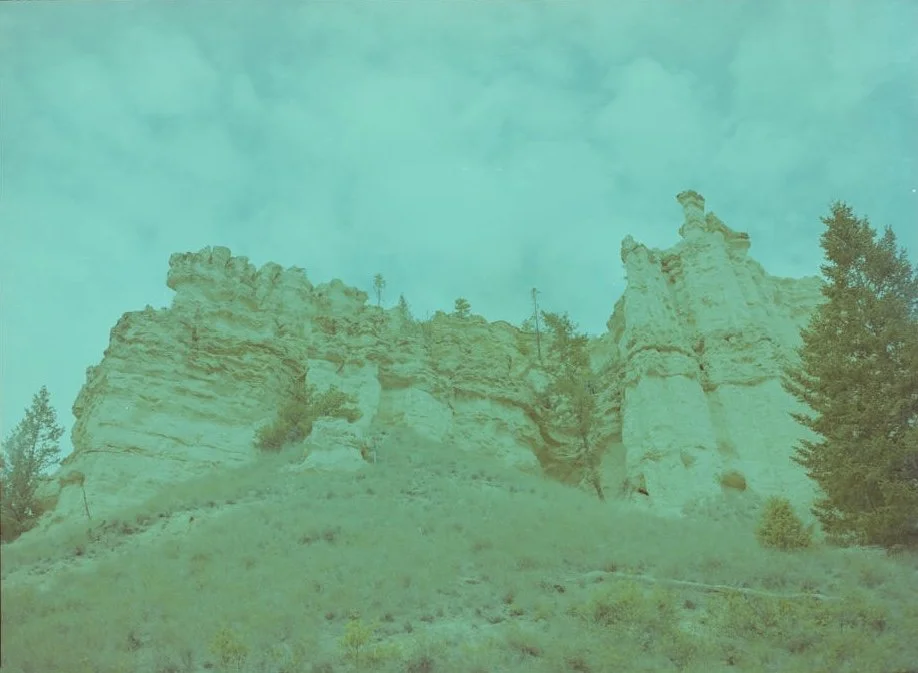
Deadman Vidette Road begins in the Skeetchestn Band and emerges into valley bottom farmland. The winding road and parallel river are sandwiched within a dramatic backdrop of colorful lava cliffs and hoodoos that flank the sides of the valley for many miles. Old pioneer homesteads, remnants of fur trade and gold mining industry can be found standing abandoned, relics of the Western frontier, dotted among the ranches and cabins that constitute the small local population. North of the farmlands a series of six lakes lie next to the road. The grassy meadows on the plateau above conceal a great canyon, where the magnificent Deadman Falls spill over. The valley is host to 7 different micro ecosystems with unique topography, elevation, wind patterns, and soil composition, creating unique pockets that support different plant and animal life - from semi-arid desert to dense mountain forest, marshlands, and grasslands. This once pristine area full of history is now forever scorched by the 2021 Sparks Lake Fire.

And steeped in history...
Within the valley are historic trading posts, routes & mines. A Hudson's Bay Company trading outpost was established in 1846 and when gold, silver and copper veins became increasingly known to prospectors, a mine was put into production in 1933. With 335 meters of underground exploration and development, the Vidette Lake Gold mine produced a total of 1449kg of silver, 929kg of gold, and 43,825kg of copper and 161kg of lead between 1933 and 1939. Gold panning in rivers and streams still produce gold to this day. Farming and ranching began soon after the development of the area. The indigenous history in the valley far predates the gold rush activity and many landmarks, plants and animals still hold great cultural significance.
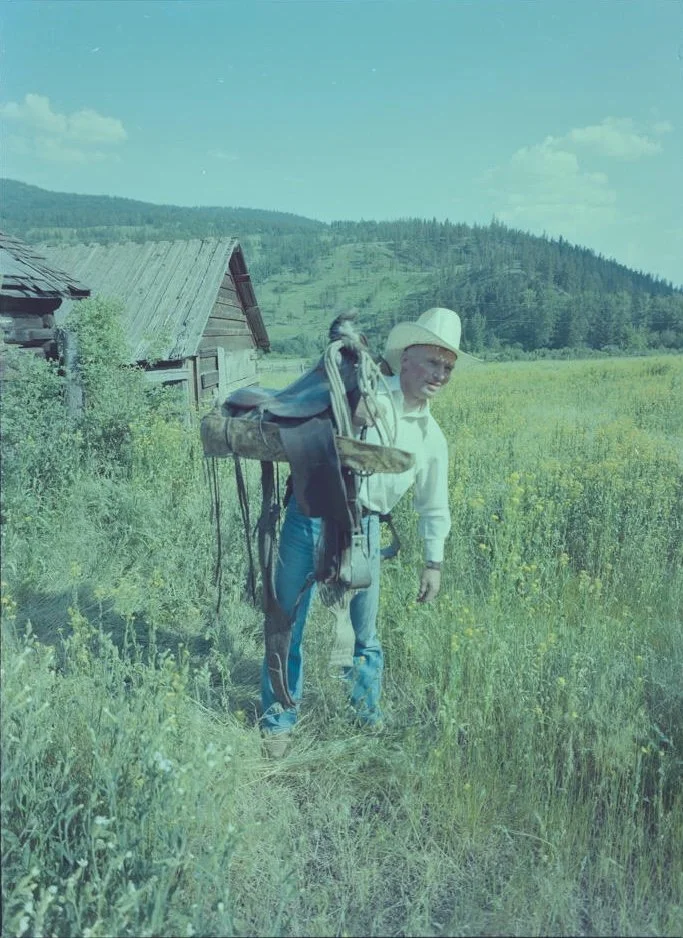
I often get asked about the farms’ name and logo, and it’s this history that inspired it. But beyond that - farming is intrinsically tied to death, the ceaseless tide of time and nature that we witness and tend. It’s what gives us the nutrients in our soil to grow gardens and pastures, and the transition of rearing animals and hunting into food. It keeps us keenly aware of the finite spark we hold, and grounds us to be present and grateful for each day.

Why it’s called the Deadman...
It’s said that the valley’s road & river’s name dates back to 1817, when a North West Company fur trader named Pierre Charette was murdered by his travelling companion during a heated argument over a campsite. The river was later mapped by the Hudson's Bay Company as Chivrette and Rivière du Défunt, eventually taking on the English moniker Deadman, during the fur trade and Gold Rush eras. The term vidette is a French cavalry word for a mounted sentinel or lookout. The site, located just north of Vidette Lake, served as a historic stopping point along the Hudson's Bay Brigade Trail connecting Fort Kamloops to Fort Alexandria.
This valley is old...
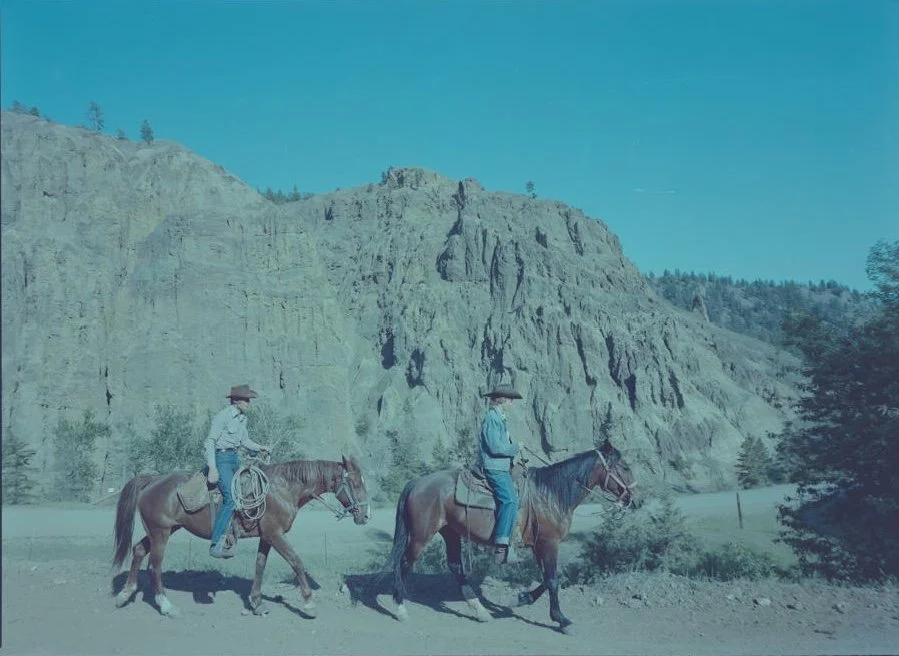
In the Jurassic/Triassic period (more than 200 million years ago) when the Bonaparte Plateau met the eastern limit of the Pacific Plate, they crushed against each other with enormous force, forcing millions of tons of lava to spew over the surrounding landscape. This convergence of tectonic activity in the earths crust was further carved out and eroded by massive glacial drainage events around 10,000 BCE and creating what is known today as the Deadman Valley. The Deadman River follows this path originating in Hoover Lake on the Bonaparte and flows south to join the Thompson River near Savona, west of Kamloops Lake and has tributaries including Chris Creek and Arrowstone Creek within the valley.